
Creating a safe and supportive home environment is paramount for every family, and for those with an individual on the autism spectrum, it often involves a more specialized approach. Ensuring peace of mind for both the individual and their caregivers requires thoughtful planning and proactive measures to anticipate and mitigate potential risks. At Healing Infinitely Llc, we understand that a truly safe home is one where every person can thrive, learn, and feel secure, contributing to a holistic sense of well-being.
Securing Physical Boundaries
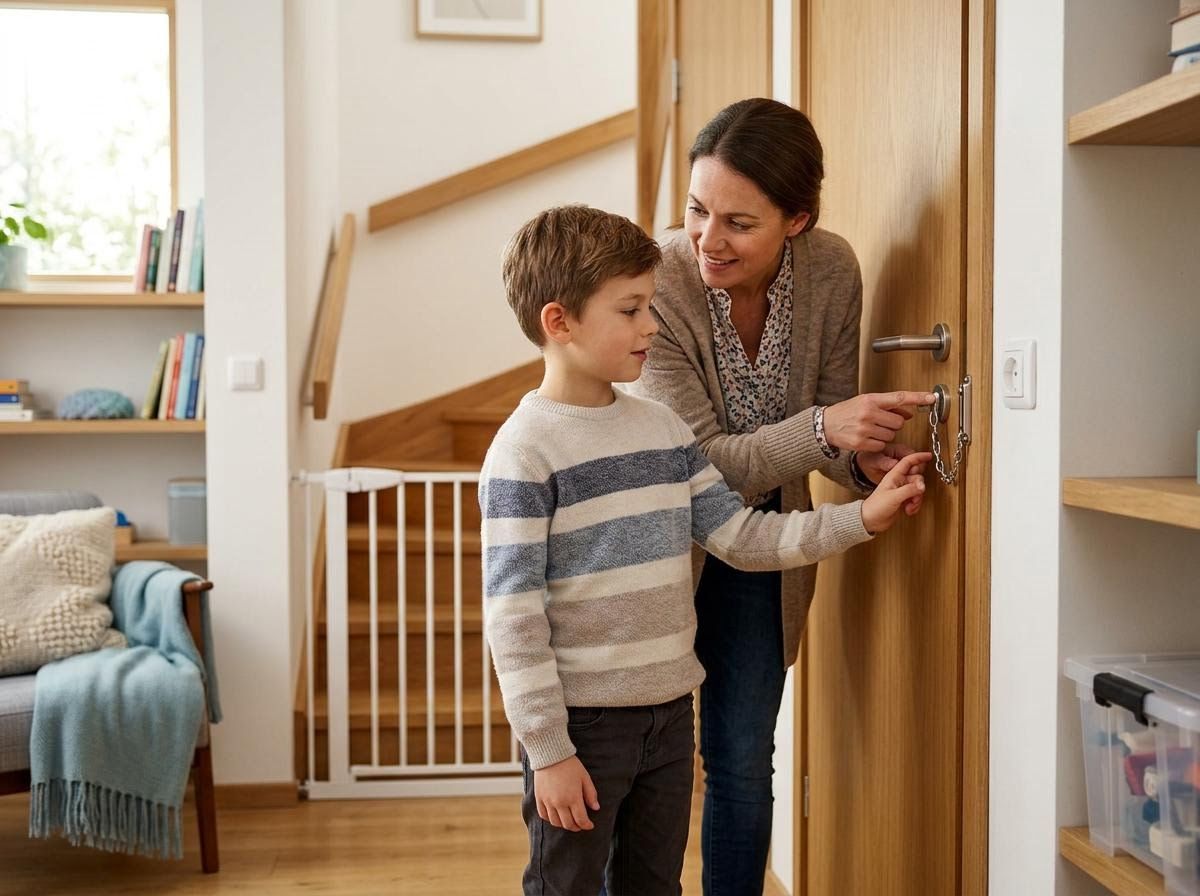
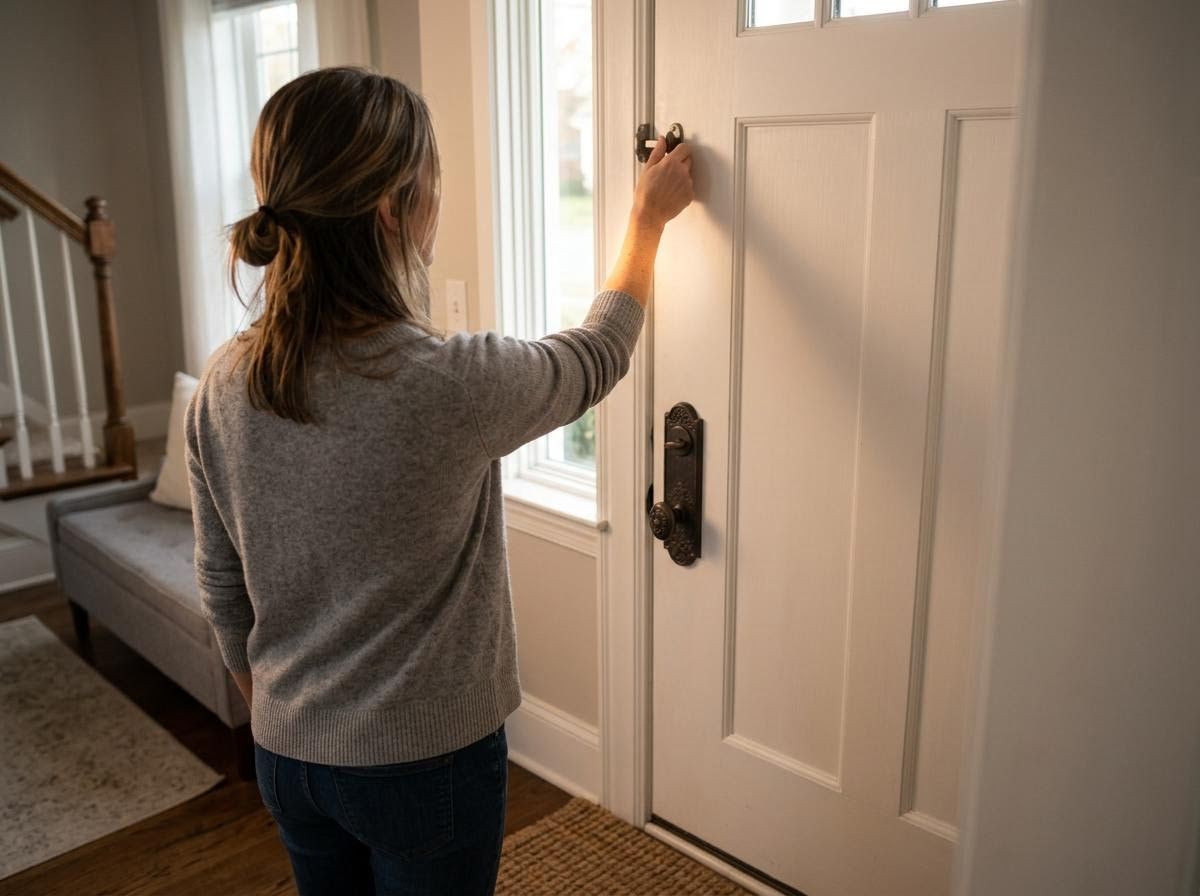
One of the foundational steps in creating an autism-friendly safe home is to secure its physical boundaries. This involves addressing potential wandering, preventing falls, and eliminating access to hazardous areas. Consider installing high-mounted locks or safety chains on exterior doors and windows, as well as alarms that signal when a door or window is opened. For furniture that could tip over, such as dressers or bookshelves, anchoring them to the wall is essential. Additionally, stair gates can prevent unsupervised access to different levels of the home, and covers for electrical outlets remove a common temptation and danger. These actions help to execute meaningful solutions that protect individuals.
Identifying and Managing Potential Hazards
Beyond physical boundaries, it's crucial to identify and manage everyday items that could pose a risk. This includes securely storing medications, cleaning supplies, and other toxic substances in locked cabinets, out of reach and sight. Vigilantly check for small objects that could be choking hazards, especially for individuals who mouth items. Water safety is also vital; ensuring constant supervision around bathtubs, pools, or even large buckets of water can prevent accidents. By proactively addressing these potential dangers, you significantly elevate the whole person's safety and well-being within their daily environment.
Cultivating a Sensory-Friendly Space
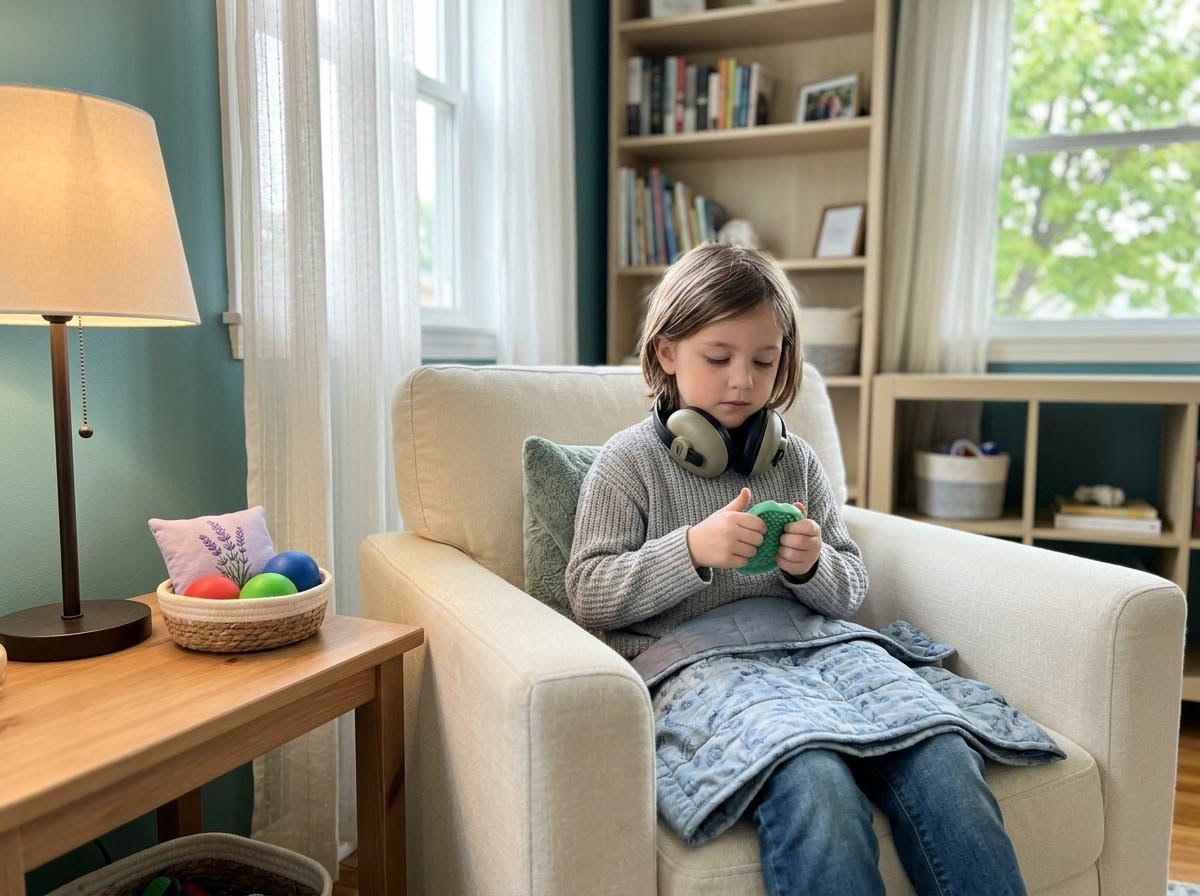
A safe home environment for an individual with autism also considers their unique sensory needs. Overstimulating environments can lead to distress and, in some cases, unsafe behaviors. Creating designated quiet spaces where they can retreat and regulate their sensory input is highly beneficial. This might involve dimmable lighting, noise-reducing curtains, and comfortable, soft furnishings. Minimizing clutter can also reduce visual overstimulation. Understanding and adapting the home to accommodate sensory preferences helps expand healing into the places and systems that shape everyday life, fostering calm and comfort.
Emergency Preparedness and Communication
Even with the most secure environment, emergencies can happen, making preparedness crucial. Develop a clear emergency plan that includes what to do in case of a fire, power outage, or other unforeseen events. Practice these drills regularly so that everyone in the household knows their role. Clearly post emergency contact information, including doctors and trusted neighbors, in an easily accessible location. For individuals who may have communication challenges, consider using visual aids or social stories to teach safety rules and emergency procedures. This comprehensive approach ensures that the entire household is ready to respond effectively, providing an added layer of safety and reassurance.
Creating a secure and nurturing home environment is an ongoing journey that deeply impacts an individual's growth and peace of mind. By systematically addressing safety concerns, managing potential hazards, fostering sensory comfort, and preparing for emergencies, families can build a haven where everyone feels truly safe and supported. At Healing Infinitely Llc, we are dedicated to helping families navigate these complexities and implement strategies that genuinely elevate well-being, execute practical solutions, and expand the capacity for a healthy, fulfilling life. To learn more about personalized strategies for enhancing home safety and support, we invite you to explore our comprehensive services.