Returning home after a stroke marks a significant step in the recovery journey, a moment filled with both hope and new challenges. Ensuring a safe environment is paramount to fostering independence and preventing falls or further injury, allowing individuals to focus fully on their rehabilitation. At Healing Infinitely Llc, we understand that a supportive home setting is fundamental to healing and thriving. This post will explore essential considerations for creating a secure home environment tailored to the unique needs of stroke survivors.
Understanding Post-Stroke Challenges
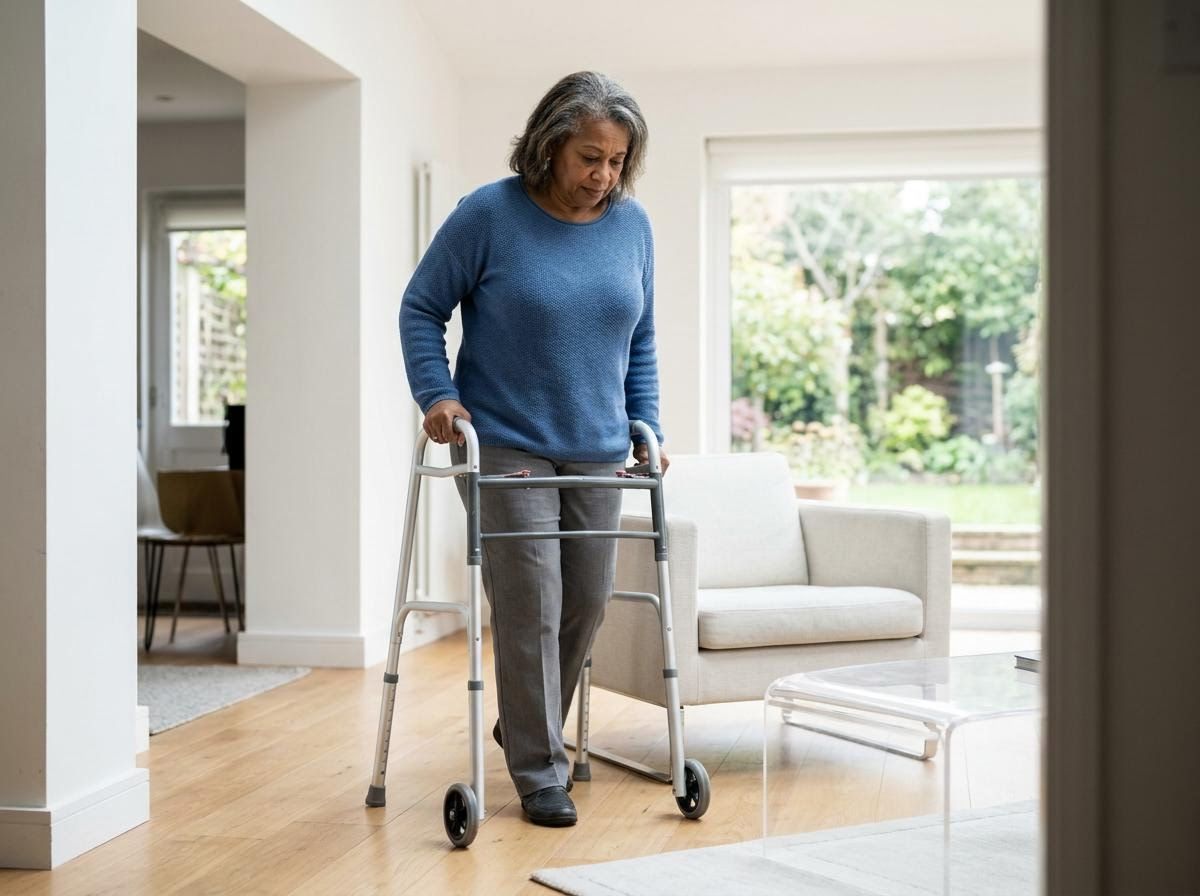
A stroke can lead to a wide range of physical, cognitive, and sensory changes, all of which can impact an individual's ability to navigate their home safely. Common challenges include weakness or paralysis on one side of the body, impaired balance and coordination, difficulties with memory or problem-solving, and visual field deficits. Fatigue is also a prevalent symptom that can increase the risk of accidents. Recognizing these potential obstacles is the first step in proactively adapting the home environment to support ongoing recovery and minimize risks.
Essential Home Modifications for Safety
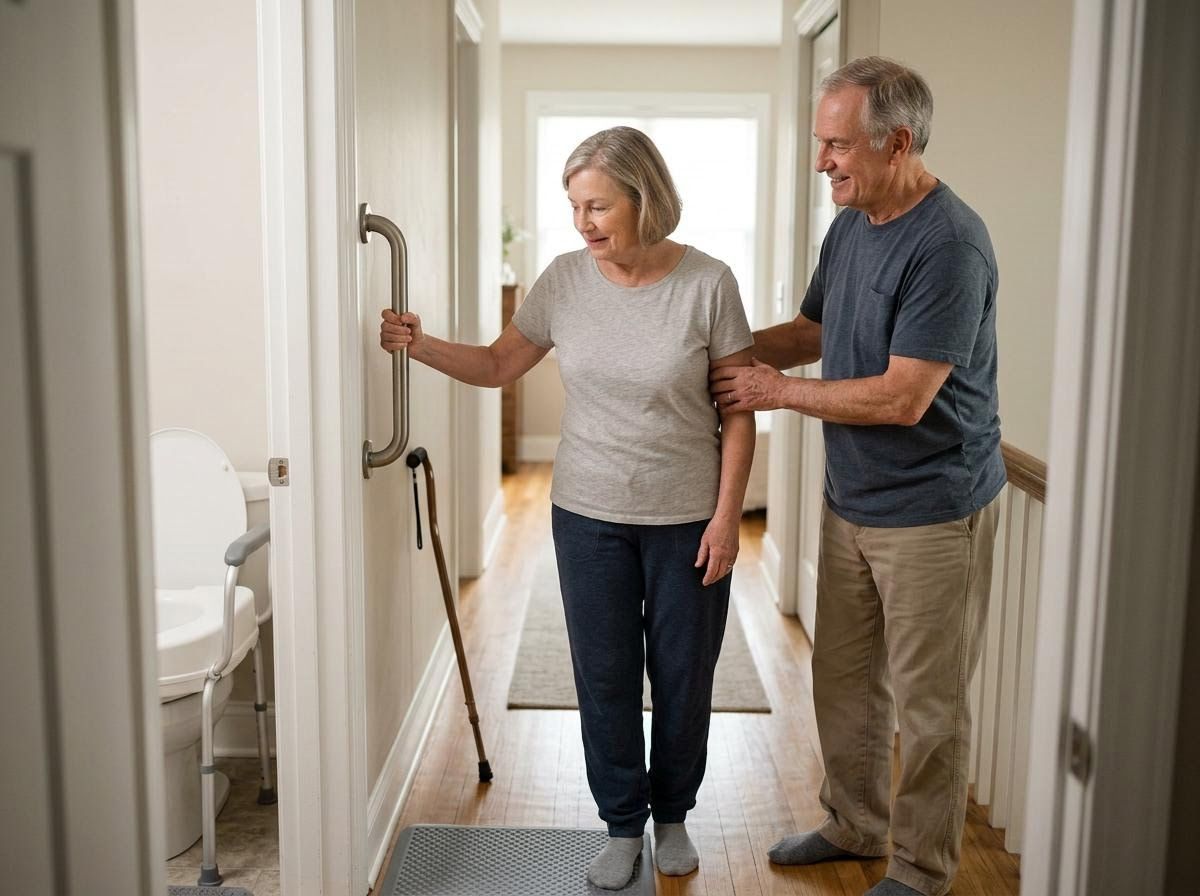
To enhance home safety, various modifications can be implemented across different areas. In bathrooms, installing grab bars near the toilet and in the shower, using non-slip mats, and considering a raised toilet seat or shower chair can significantly reduce the risk of falls. In the kitchen, ensuring frequently used items are within easy reach, removing clutter from countertops and floors, and using adaptive utensils can promote independence. Throughout living areas and hallways, it's crucial to eliminate trip hazards like throw rugs and loose cords, ensure adequate lighting, and maintain clear pathways for easy movement, especially for those using mobility aids. Adjusting bed height and placing necessities like water and a phone within easy reach in the bedroom can also contribute to a safer environment.
Leveraging Assistive Devices and Technology
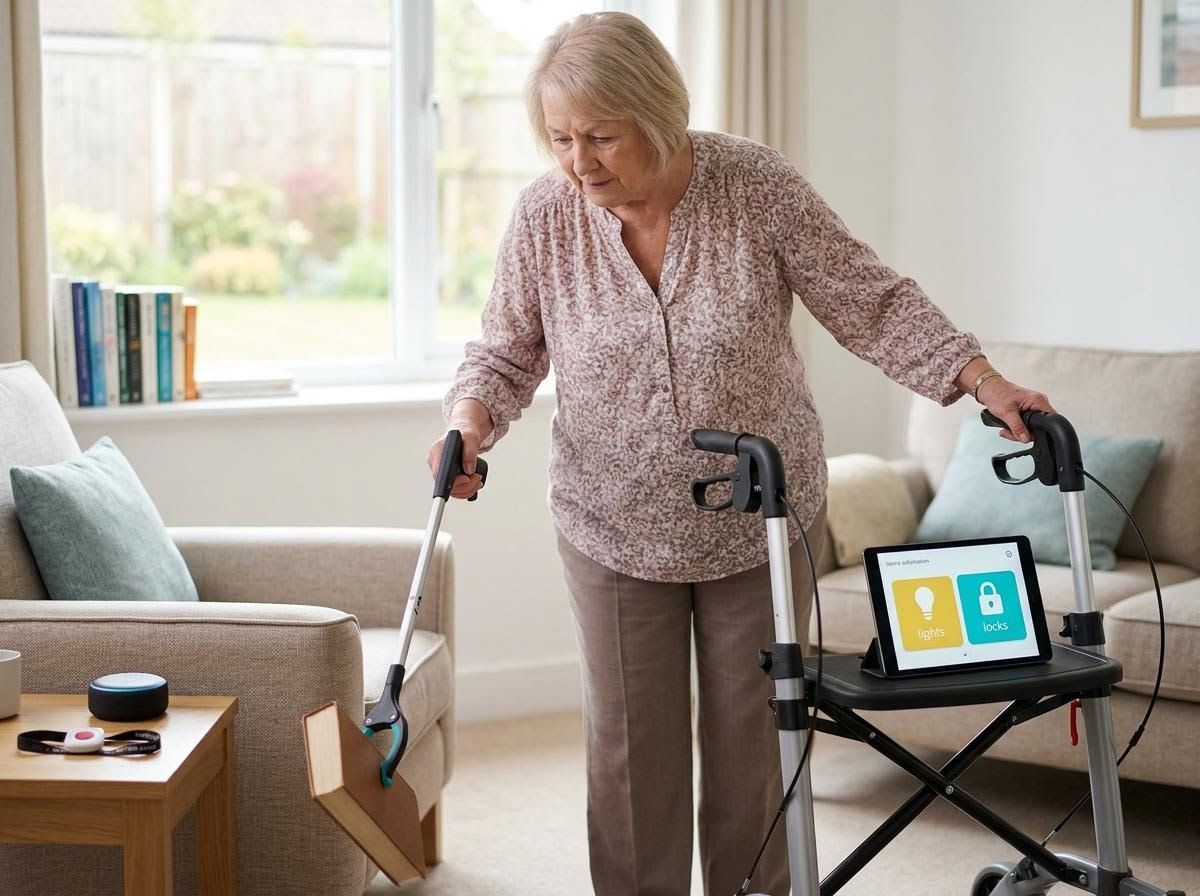
A variety of assistive devices can greatly improve safety and independence for stroke survivors. Mobility aids such as walkers, canes, or wheelchairs, when properly fitted and used, can provide crucial support. Simple tools like reachers can help retrieve dropped items, while dressing aids can simplify daily routines. Beyond physical aids, technology offers additional layers of safety; for instance, emergency alert systems can provide peace of mind, and smart home devices can assist with lighting control or door locking, adapting the environment to the individual's evolving needs.
Comprehensive Support for Lasting Well-being
Navigating home safety after a stroke is often a collaborative effort. Caregivers play a vital role in providing support, monitoring progress, and assisting with adaptations. Regular assessment of the individual's capabilities and the home environment ensures that modifications remain appropriate as recovery progresses. Moreover, understanding the array of professional resources available, such as occupational and physical therapists, can provide invaluable guidance in tailoring solutions and maximizing functional independence within the home.
The journey to recovery after a stroke is profoundly influenced by the safety and adaptability of one's home environment. By taking a proactive approach to understanding potential challenges, implementing thoughtful modifications, and utilizing appropriate assistive devices, individuals can regain confidence and foster greater independence. Healing Infinitely Llc is dedicated to empowering individuals and their families to Elevate their well-being, Execute meaningful safety solutions, and Expand their capacity for healing within all aspects of life. For tailored guidance and support in creating a truly safe and therapeutic home, consider exploring professional consultation services that align with your unique needs.